MROK
Multiplayer voxel arena FPS
C#Razors&box
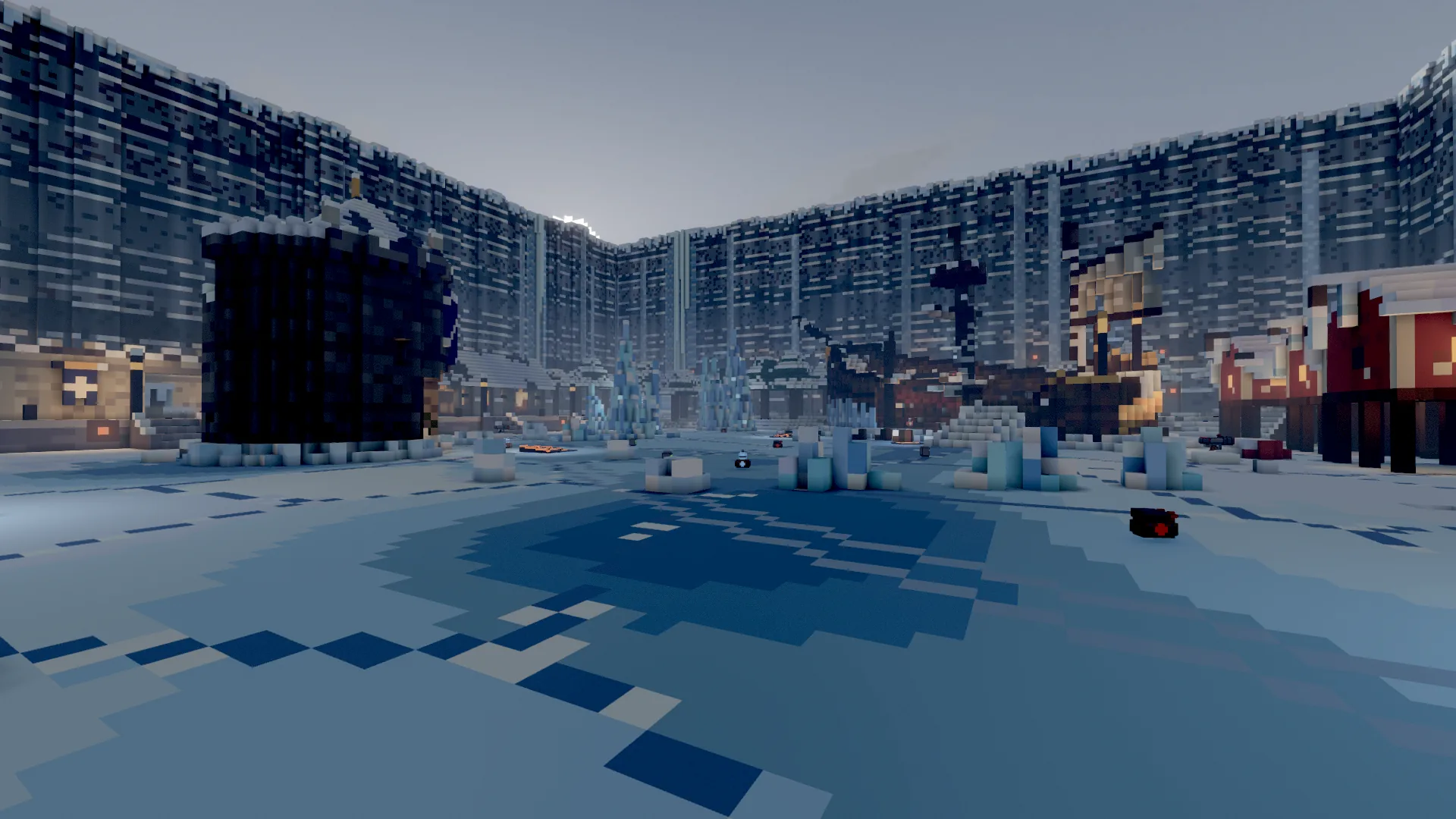
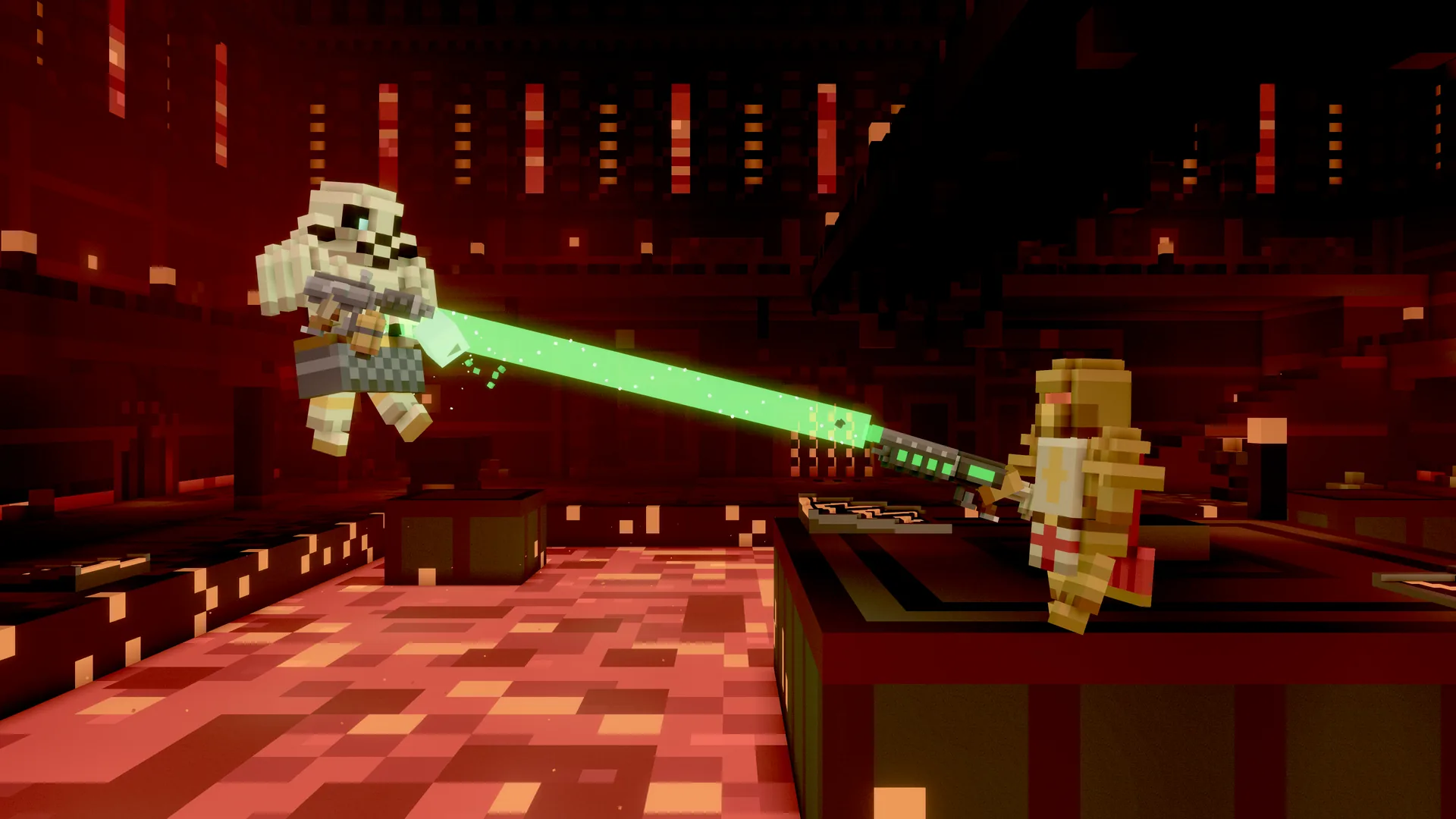
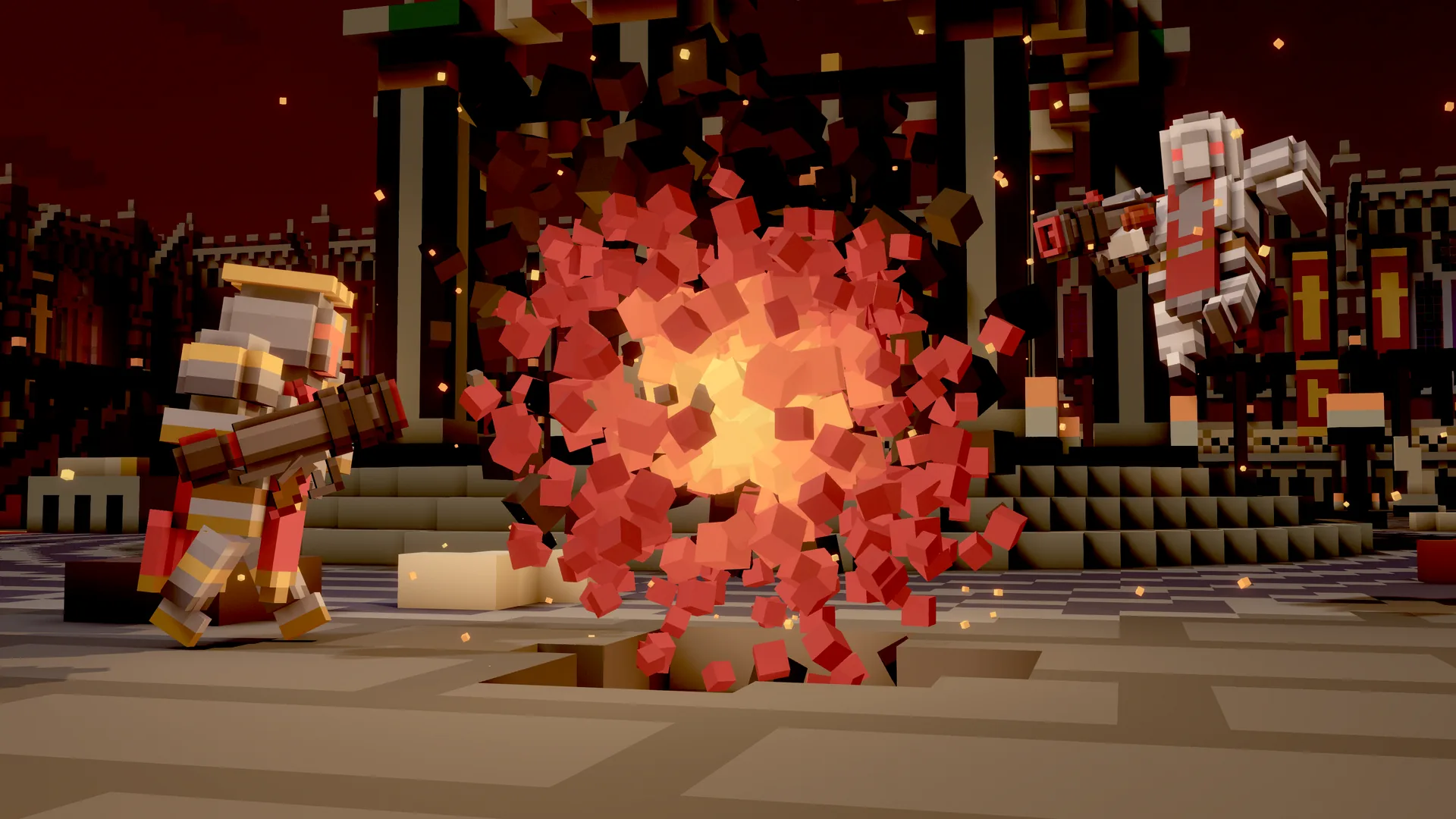
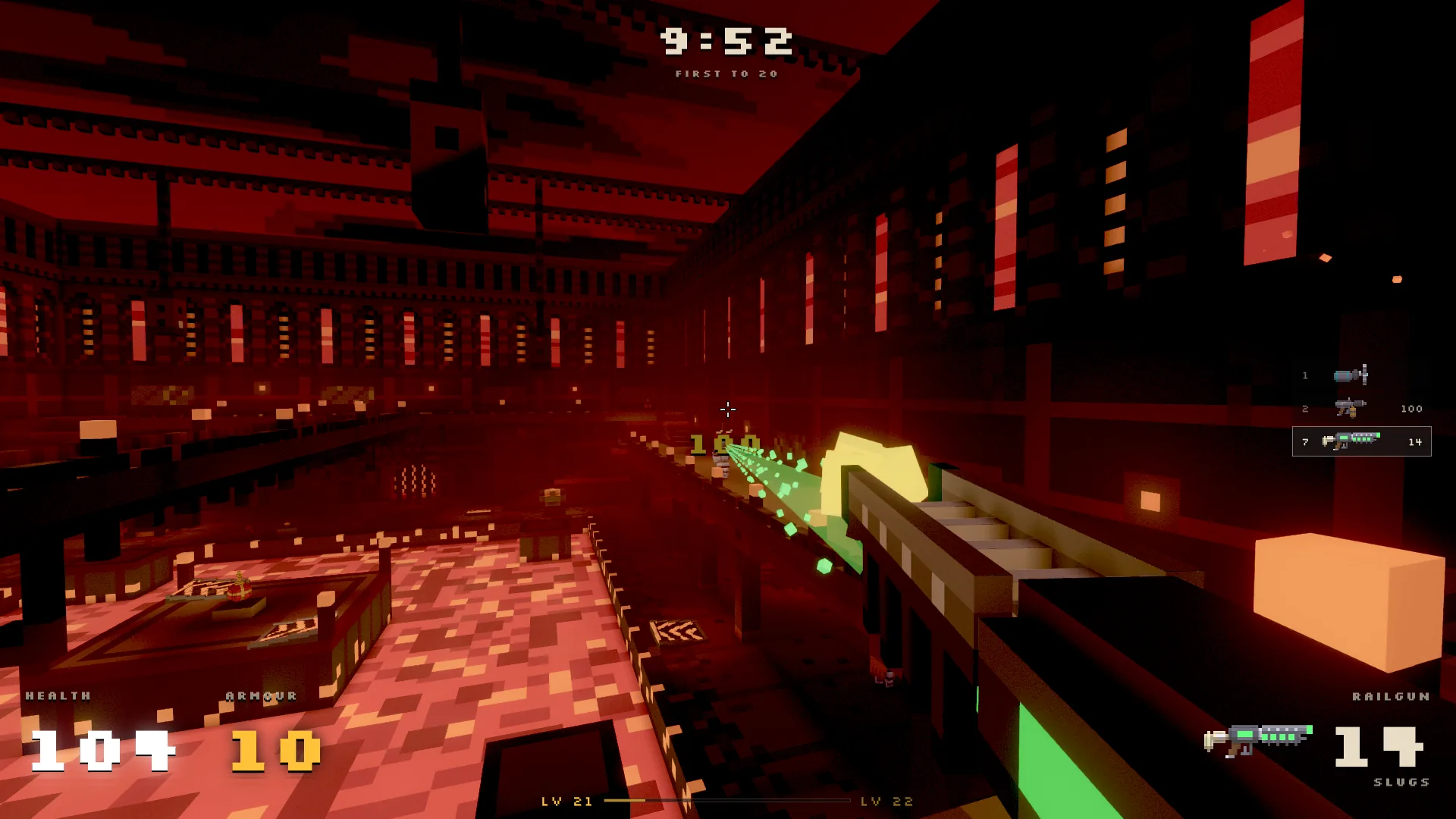
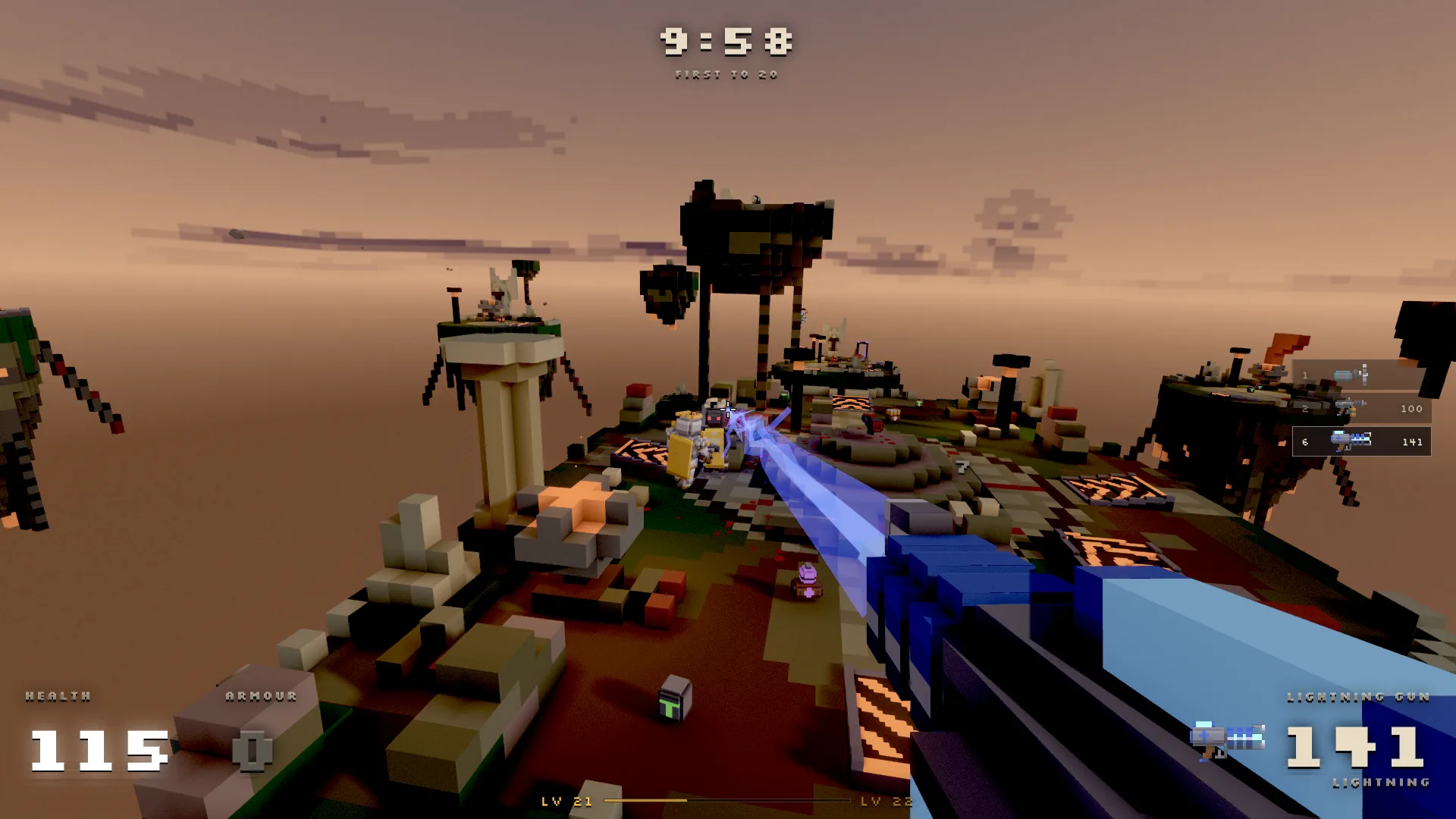
MROK is a multiplayer voxel arena FPS built on s&box, in the style of Quake and Doom: fast movement, rocket jumping, gibs, and gothic arenas you can blow apart. Alongside the PvP modes there’s Crucible, a co-op roguelike where up to four players hold out against a demon horde.
MROK is a solo project. The voxel engine, netcode and game systems are all custom, written in C# on top of s&box.
Gameplay
- Seven modes: Deathmatch, Team Deathmatch, Capture the Flag, Instagib, Infection, Crusade and Crucible
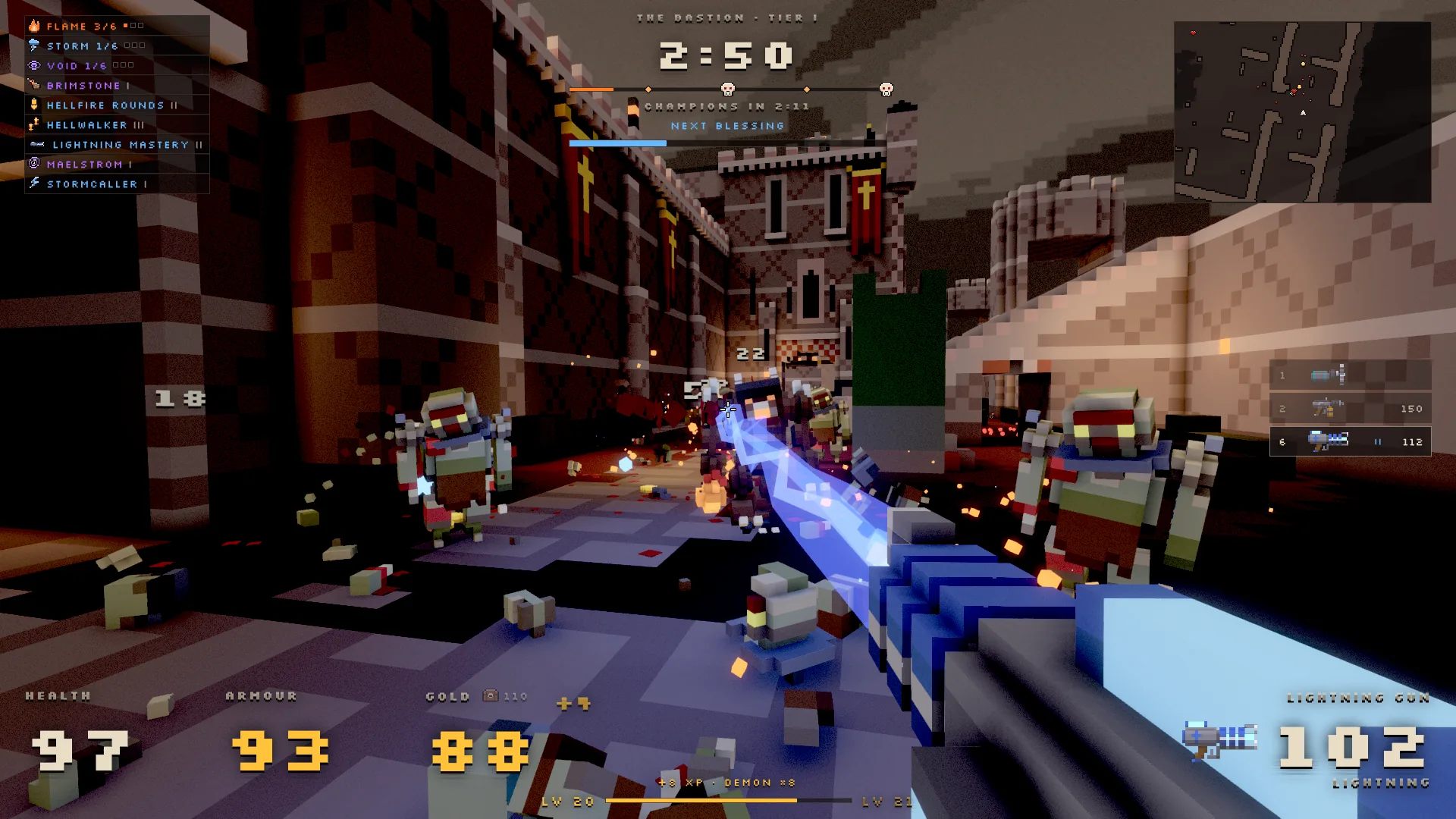
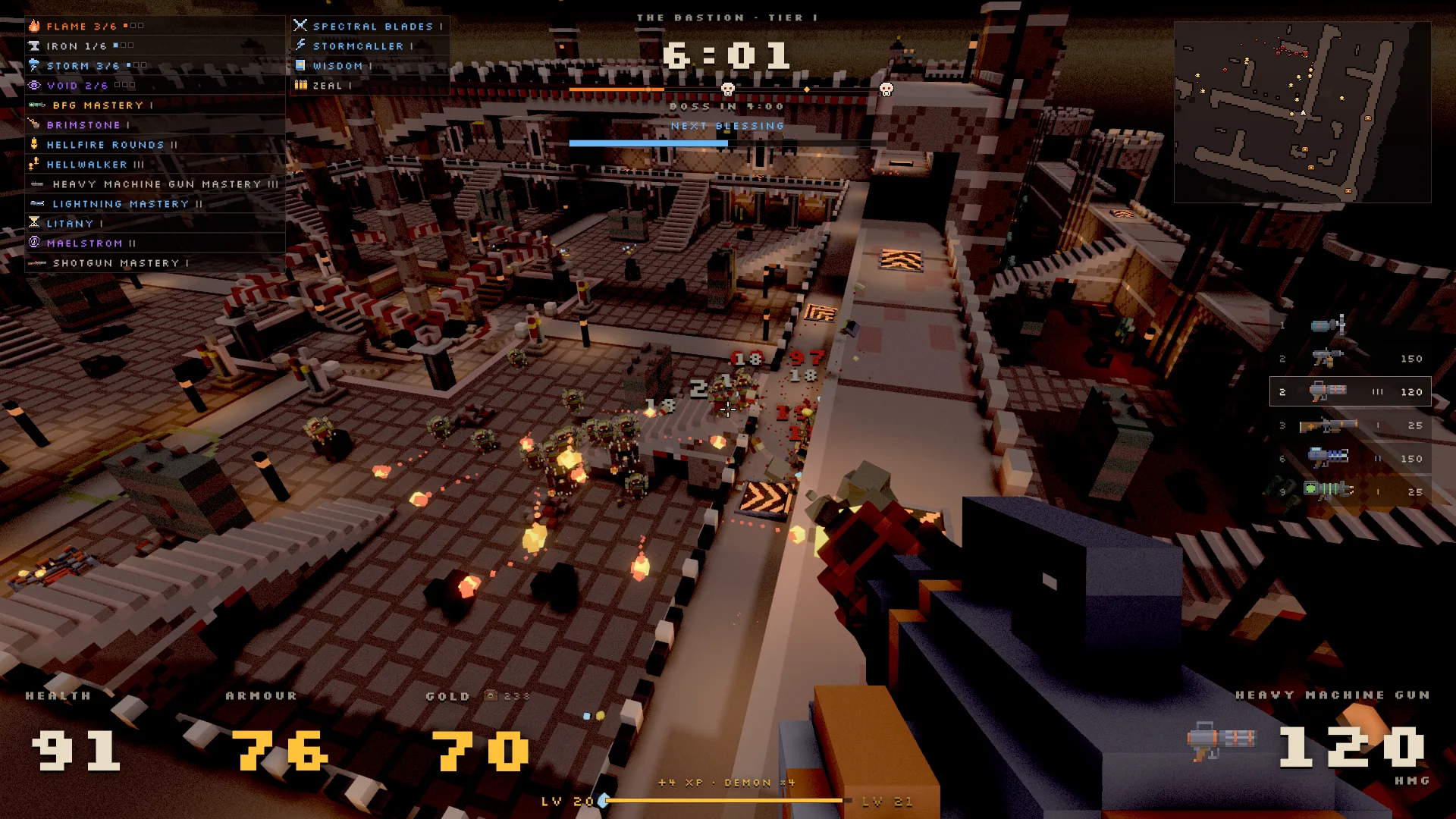
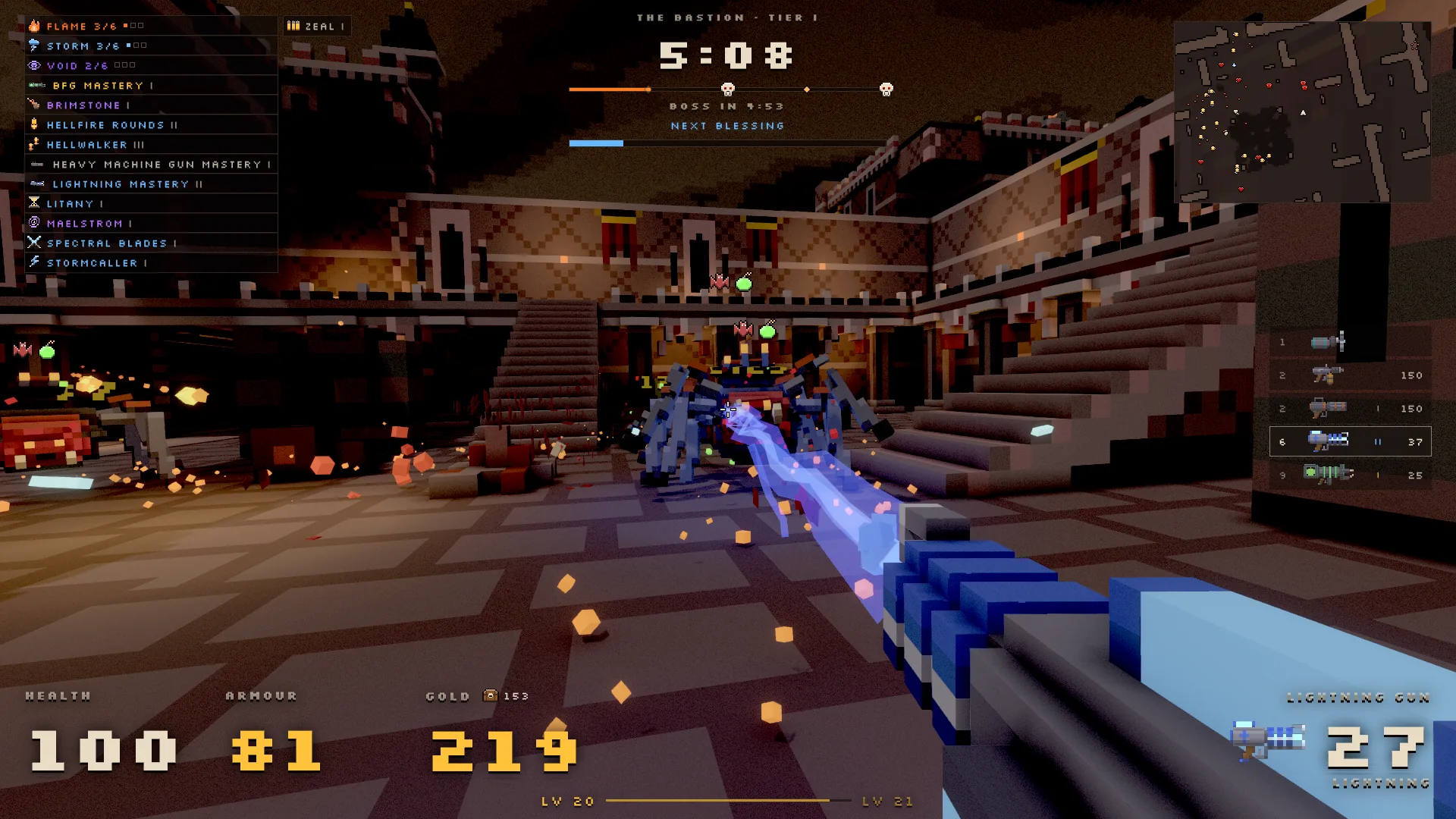
- Crucible: demon hordes, bosses with weak points, blessings that build up your character during a run, and permanent upgrades bought with souls between runs
- Quake movement: strafe-jumping, bunny hopping, air control, and rocket jumps that respond instantly
- Destruction: explosions dig through marked parts of a map, and anything left unsupported collapses into debris
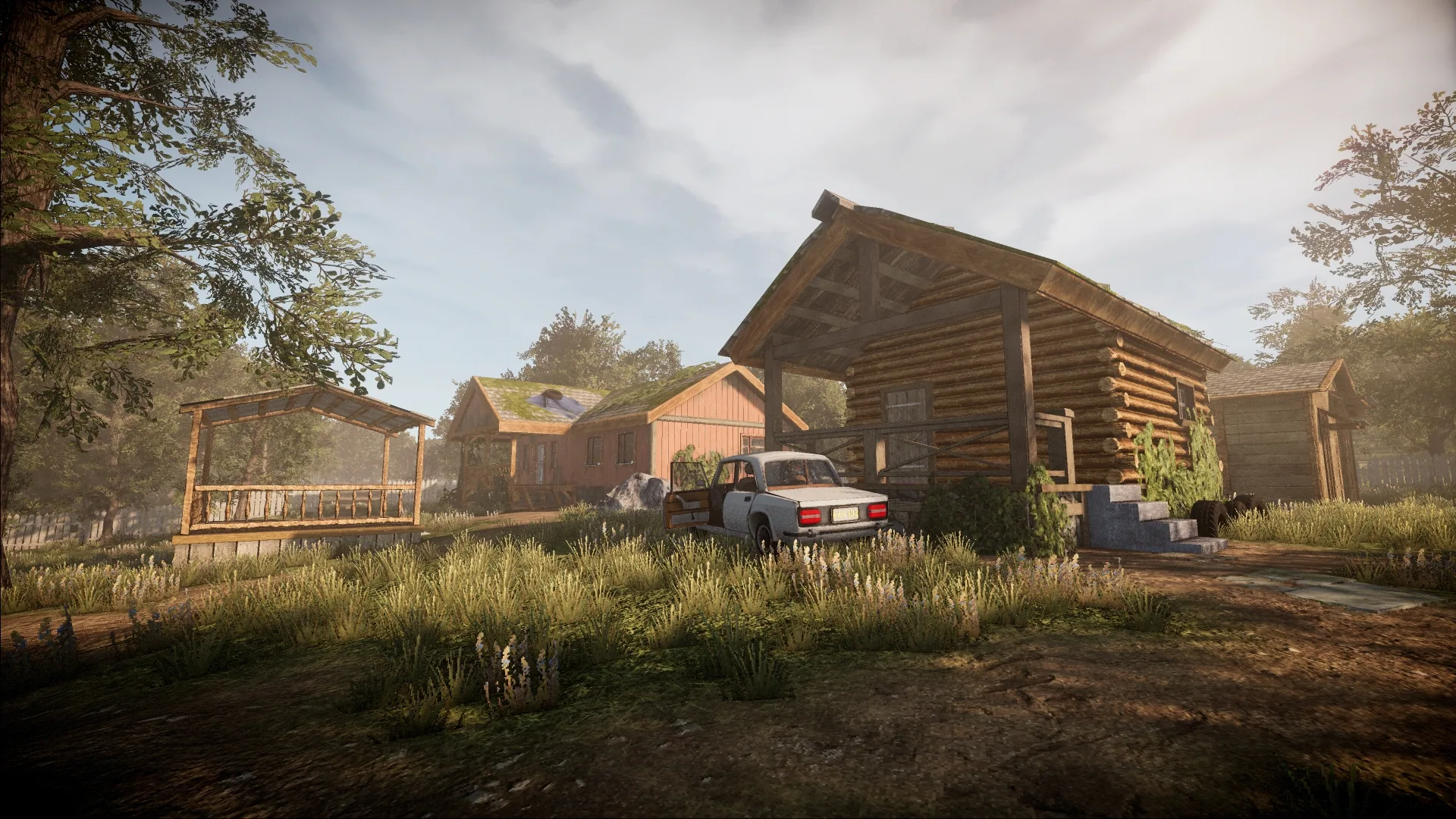
- Map editor: in-game editor with undo, co-op editing for up to eight people, .vox import and export, and Workshop publishing
- Progression: levels 1-99, crates and hundreds of unlockable cosmetics
Voxel engine
- Greedy meshing on worker threads: the mesher is a pure function of a padded chunk copy, so it never touches engine objects. Render faces merge only when type, colour, baked AO and sky cover all match, while collision faces merge on solidity alone
- In-place collider updates: edits update the existing physics shape instead of rebuilding it, so a chunk doesn’t pay for a new collider on every explosion
- Compact storage: 32³ chunks of 16-bit voxels (4-bit block type, RGB444 colour), with worlds up to 320×320×128 blocks
- Structural collapse: the server searches for blocks cut off from the ground, with a node budget so one huge blast can’t stall the server, then turns them into physics debris built on a worker thread
Netcode
- Server authority: clients request changes and the server validates and applies them. Damage, health, ammo, block edits, pickups and score are all server-owned
- Predicted rockets: your rocket appears the moment you fire. A local copy flies until the networked one arrives and takes over
- Rocket jump prediction: the blast pushes you locally with no round trip. The server then sends its own figure, and you’re only corrected if the two differ by more than 30 units per second
- Lag compensation: the server keeps a hitbox history and rewinds up to half a second. A rocket’s fast-forward is swept against those rewound hitboxes, capped at 150 ms
- World replication: edits go out as one sequenced delta per tick, and a gap in the sequence triggers a resync
- Late joins: a joining player gets the map seed plus only the chunks that changed, run-length encoded and compressed. Player-made maps transfer in 64 KB parts
- Movement checks: movement is owner-driven at 125 Hz, and the server sanity-checks speed, walls and flight